Engineering & Design
Macht Busbar Systems
Engineering & Design
Engineering & Design
Benefits of Busbar System
Electrical cables are an assembly of one or more wires running side by side or bundled to carry electric current.




DISCOVER MORE
Compressed & Sleek Design
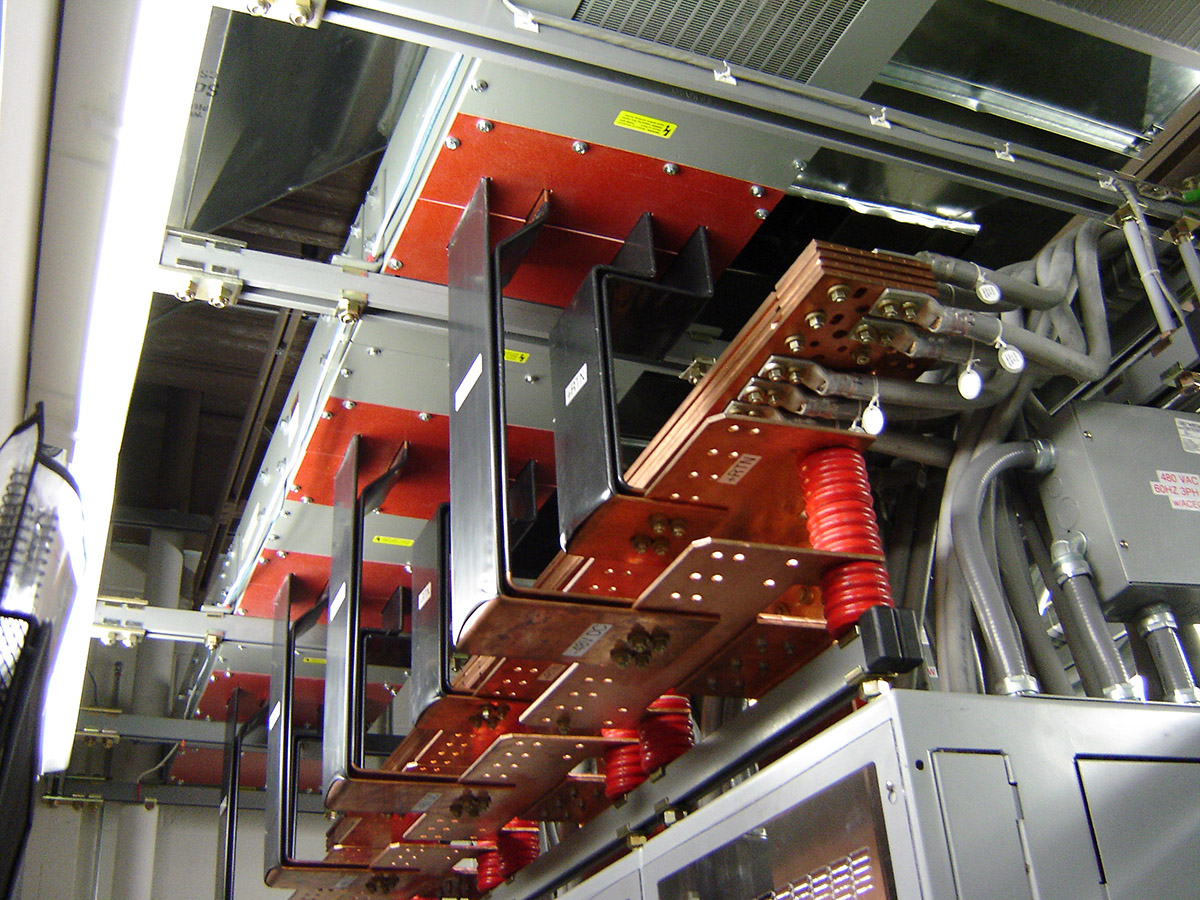
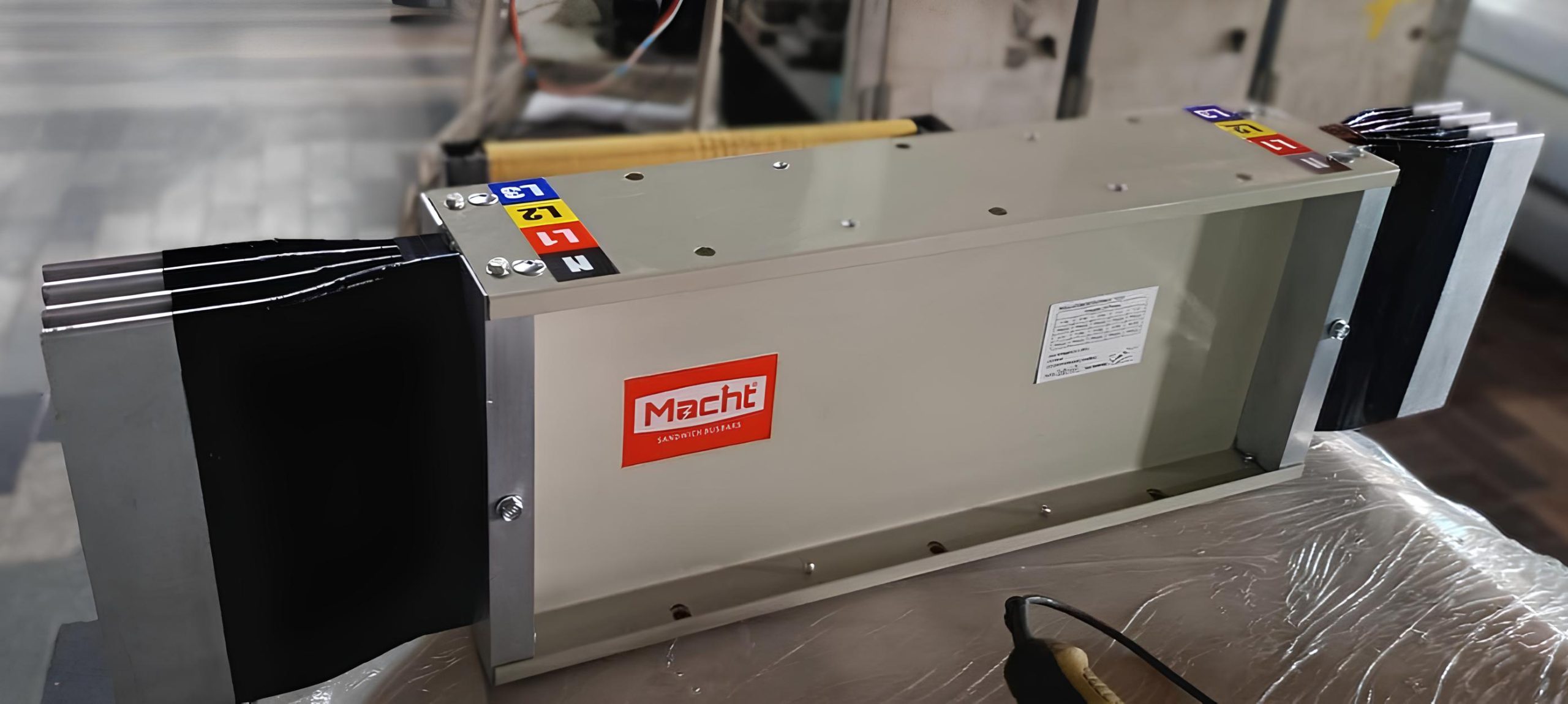
Busbar compact and sleek design makes it efficient and ensures reliability with tightly compressed conductors inside the structure. Cables require large bend radii that take a lot of space. The steel shell helps in creating a comparatively lower electromagnetic field around a busbar as compared to a cable. High loads (4000 ampere to 5000 ampere) can easily be created near the cables which is free from electromagnetic interference.
Cost-Effective
It’s a misconception that busbars are costly. In reality, the easy and decreased installation time of the busbar ensures that it is competitively priced. In fact, over the lifetime, a busbar costs much less than cables as the system is efficient and virtually maintenance free. Busbar trunking systems can bring energy economically into any building and the power distribution system can be precisely planned that ensures accurate costs are given at an early stage in the project depending on the total load rating and the type and number of loads.
Better Resistance
Unlike a cable, a busbar offers better resistance, especially when doing short circuit testing. Within the busbar, there is a small distance between conductors, which means less resistance induction. A busbar also has lower levels of density because of the flat thin tire, which helps ensure optimal density distribution of current. This goes a long way in reducing overall resistance. Due to these reasons, the voltage level from a busbar is quite lower than that of cables.
Space Efficient
The busbar trunking system can be repurposed without a huge capital expenditure to fit into any space. Cabling, once installed, can be incredibly expensive and disruptive to move, change, reconfigure and expand.
Safe and Secure
Busbar’s integral part includes certified standard cells such as junction boxes and plugs which eliminates human error. Since busbars are fitted with steel casing, they are far less likely to wearout, and are less likely to be damaged by rodents. This makes them safer than cables.
Prolonged-Proofing
Busway is a very flexible system, which can be adapted for safe distribution of line via junction boxes. These boxes can be relocated with ease in the future if required. A busbar system ensures future proofing of power distribution systems and allows the busbar to be easily modified to fit the requirements as no client knows what the future holds.
Flexibility
Due to its compact design, a busbar has the ability to fit in any kind of structure. This means that when you need to relocate a busbar, you can easily do that without spending a lot of money. A busbar can also be modified to fit any design of your liking, meaning more flexibility when you need additional space. This is quite a different case for cables, which give a hard time in case you need to move, reconfigure, or change something.
Conclusion
A busbar trunking system has many advantages over cables like installation time, lifetime cost and also the configurability of the system. The traditional cables will soon be a history and busbars will gain importance soon. Busbar is definitely a space saving solution worth the investment!
Applications